The Complete Van Build Guide: From Rusty Box to Dream Home
Let’s do this!
Article Preview: Van conversions take 3-12 months and cost $18,000-$85,000 depending on your budget, skills, and desired features. This comprehensive guide walks you through every step of the van conversion process, from finding the right vehicle to completing your interior build, with real examples from Adventure Van Expo attendees.
How to build your van conversion step-by-step – the complete roadmap from vehicle selection to finished build
Van conversions take 3-12 months and cost $18,000-$85,000 depending on your budget, skills, and desired features. This comprehensive guide walks you through every step of the van conversion process, from finding the right vehicle to completing your interior build. (Internal link: van-conversion-costs-real-builds-adventure-van-expo)
Converting a van into a livable home requires planning, patience, and the right guidance. Adventure Van Expo attendees consistently succeed because they have access to proven processes, expert vendor advice, and a supportive community of experienced builders.
[Image placeholder: Completed van conversion with open sliding door showing interior kitchen and dinette area, parked with mountain vista in background. Alt text: “Completed DIY van conversion with custom kitchen and sleeping area, showcasing successful van build results”]
This complete van build guide provides the same step-by-step process that has helped thousands of Adventure Van Expo attendees transform their van dreams into reality. Whether you’re starting with a $15,000 budget or $50,000, whether you’ve never held a drill or you’re an experienced DIYer, this guide provides the roadmap to build your perfect adventure home.
Why This Guide Is Different
This guide combines real-world experience from Adventure Van Expo events with practical advice from trusted vendors and proven builders. Most van build guides treat conversion like a one-size-fits-all project, but every van build is unique because every van lifer has different needs, skills, and dreams.
After eight years of Adventure Van Expo events, touring hundreds of custom builds, and connecting with thousands of van owners, we’ve identified the key factors that separate successful builds from frustrating projects. This guide incorporates those lessons learned.
You’ll find actual cost breakdowns from real builds, solutions to common problems discovered at expo events, and vendor recommendations based on proven track records with our attendee community.
More importantly, this isn’t just about building a van – it’s about building your confidence and connecting with a community that will support your journey long after your build is complete.
Chapter 1: Finding and Buying Your Van
The right van choice accounts for 55-70% of your total project cost and determines your build options. At Adventure Van Expo events, we see every type of van imaginable, from compact Nissan NV200s to massive Mercedes Sprinters. The “best” van isn’t always the most expensive or biggest – it’s the one that matches your specific needs, budget, and comfort level.
The Big Three: Sprinter vs Transit vs ProMaster
Mercedes Sprinter: The Gold Standard
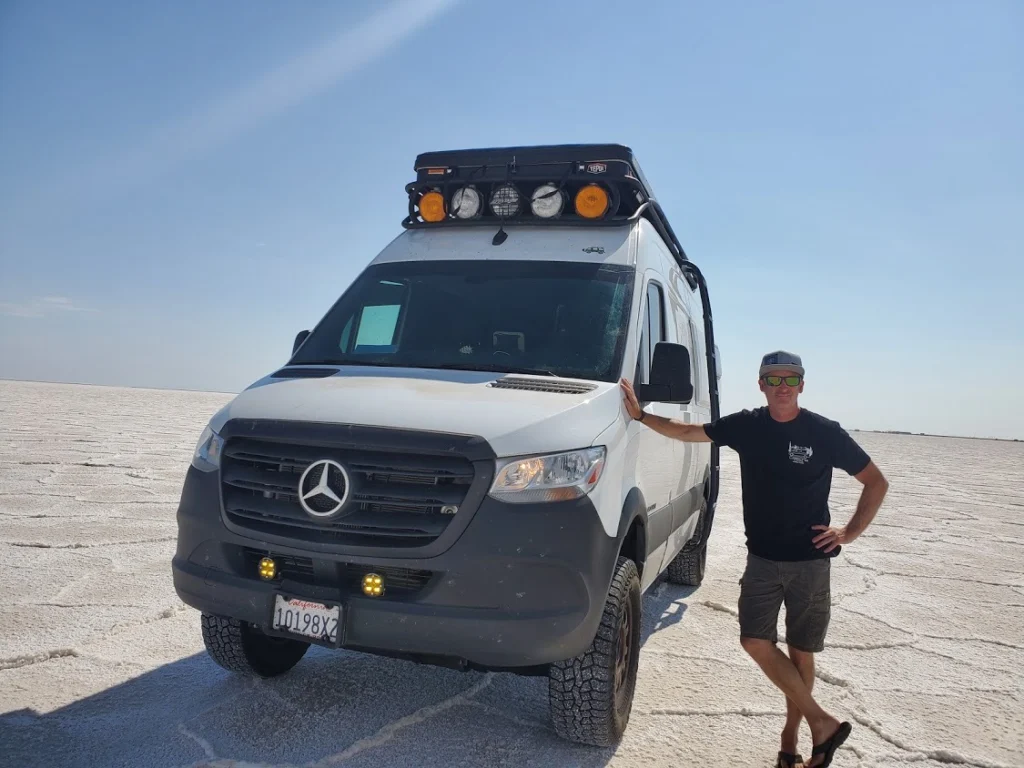
Walk through any Adventure Van Expo and you’ll see why Sprinters dominate the premium van market. The 170″ wheelbase Extended model offers the most standing room and space for full-size amenities, allowing for full bathrooms, queen beds, and complete kitchens in premium builds.
Pros:
- Highest resale value
- Best interior space and standing room (6’4″ in high roof models)
- Strong aftermarket support with AVE vendors
- Proven reliability for high-mileage use
Cons:
- Highest purchase price ($45,000-$80,000 used)
- Most expensive maintenance and repairs
- Parts can be harder to find outside major cities
Best for: Full-time van lifers with larger budgets who prioritize space and resale value.
Ford Transit: The Sweet Spot
The Transit is the most popular choice among first-time builders at Adventure Van Expo events. The 2015+ models offer the best balance of affordability, reliability, and buildability.
Pros:
- Best value for money ($25,000-$45,000 used)
- Easy to find parts and service nationwide
- Good aftermarket support
- Multiple wheelbase and roof height options
Cons:
- Less standing room than Sprinter high-roof
- Lower resale value than Mercedes
- Road noise can be higher than Sprinter
Best for: First-time builders, weekend warriors, and anyone wanting proven reliability without premium pricing.
RAM ProMaster: The Budget Builder
The ProMaster might not win beauty contests, but it wins hearts at Adventure Van Expo with its practical design and budget-friendly pricing. The wide body and low loading height make builds easier.
Pros:
- Lowest purchase price ($20,000-$35,000 used)
- Widest interior space
- Lowest loading height for easy access
- Front-wheel drive for better fuel economy
Cons:
- Lower reliability ratings than Ford/Mercedes
- Less aftermarket support
- Unique parts can be expensive
Best for: Budget-conscious builders, shorter trips, and anyone prioritizing interior width over reliability.
[Image placeholder: Side-by-side comparison showing Mercedes Sprinter, Ford Transit, and RAM ProMaster vans with dimensions and key features labeled. Alt text: “Van comparison chart showing Mercedes Sprinter vs Ford Transit vs RAM ProMaster dimensions and specifications for van conversion planning”]
What to Look for When Buying
Based on lessons learned from hundreds of Adventure Van Expo attendees who’ve been through the buying process, here’s what really matters:
Mileage Matters, But Not How You Think
Don’t obsess over low mileage. A well-maintained van with 150,000 highway miles is often better than a 50,000-mile van that sat unused for years. Complete maintenance records showing regular oil changes and major service intervals are more valuable than low mileage alone.
Check These Critical Areas:
- Rust: Especially around wheel wells, door frames, and the rear barn doors
- Service History: Complete records are worth thousands in peace of mind
- Title Status: Avoid salvage, flood, or lemon titles
- Previous Use: Commercial delivery vans often have better maintenance than personal vehicles
Budget for Immediate Needs
Even if the van runs great, budget $2,000-$5,000 for immediate maintenance items like tires, brakes, fluids, and minor repairs. Most builders spend $2,000-$4,000 getting their van road-ready before starting the conversion.
Finding Your Van
Where Adventure Van Expo Attendees Find Their Vans:
- Commercial Fleet Sales (40% of attendees): Companies like Enterprise, Budget, and Penske sell well-maintained fleet vehicles
- Craigslist/Facebook Marketplace (35%): Best selection but requires more research and inspection
- Dealer Lots (15%): Higher prices but more consumer protection
- Van Trading Networks (10%): Facebook groups and forums where van lifers sell their builds
Pro Tips from the AVE Community:
- Timing: Best deals appear in late fall/winter when demand drops
- Location: California and Florida vans typically have less rust
- Research: Use Carfax/AutoCheck, but also Google the VIN for auction history
- Inspection: Pay for a pre-purchase inspection, even on seemingly perfect vans
Chapter 2: Planning Your Layout Like a Pro
Van layout planning takes 2-4 weeks and determines the success of your entire build. Before you buy your first piece of lumber or order a single component, successful van builders spend weeks planning their layout. This isn’t just about maximizing space – it’s about creating a home that matches how you actually want to live on the road. (Internal link: vanlife-with-kids-5-families-share-real-adventures.md)
The Four Essential Zones
Every functional van build needs four distinct zones, regardless of size or budget. The best layouts at Adventure Van Expo events always nail these basics:
1. Sleep Zone
Your bed isn’t just where you sleep; it’s often your office, dining room, and relaxation space. Plan for this multi-use reality.
2. Cook Zone
Even if you’re not a chef, you’ll want the ability to make coffee and prepare simple meals. This zone needs water access, storage, and ventilation.
3. Work/Social Zone
Whether it’s remote work, meal prep, or socializing with fellow van lifers at expos, you need a versatile surface and seating.
4. Storage Zone
Everything you own needs a secure, accessible home. Successful builds maximize vertical space and eliminate wasted areas.
Learning from Award-Winning Builds
At last year’s Adventure Van Expo in Bozeman, three builds won our community choice awards for exceptional design. Here’s what made them special:
Best Use of Space: The Murphy Bed Master
Tom and Linda’s 144″ Transit proved that small doesn’t mean cramped. Their wall-mounted Murphy bed transforms into a full dining table and workspace during the day. “We wanted to live in our van, not just sleep in it,” Linda explains. Their secret: measuring everything twice and building modular furniture that serves multiple purposes.
Most Livable: The Family-Friendly Sprinter
The Johnson family’s Sprinter accommodates two adults and two kids without feeling chaotic. Their layout includes bunk beds that fold away, a slide-out kitchen extension, and enough storage for a month-long road trip. The key insight: separating kid zones from adult zones while maintaining sight lines for safety.
Best Budget Build: The $18,000 Masterpiece
College student Jake proved that budget doesn’t limit creativity. His ProMaster features a ingenious sliding kitchen that tucks under the bed platform, doubling his living space. “I had more time than money,” Jake says, “so I focused on smart design instead of expensive materials.”
The Layout Planning Process
Step 1: Define Your Van Life Style
Before sketching layouts, honestly assess how you’ll use your van:
- Weekend Warrior: Simple layouts with easy setup/breakdown
- Extended Travel: More amenities and comfort features
- Full-Time Living: Maximum storage and home-like features
- Adventure Base Camp: Gear storage and outdoor living focus
Step 2: Create Your Wish List and Reality Check
Most builders start with wish lists that include full bathrooms, queen beds, full kitchens, office space, and extensive gear storage. Reality check: shorter vans (under 170″) require prioritizing features. Successful builders prioritize based on their actual travel style, often choosing composting toilets, convertible beds, and galley kitchens over fixed amenities.
Step 3: Use the Cardboard Mock-Up Method
Before cutting any wood, create a cardboard mock-up of your layout. This $20 investment will save you hundreds in mistakes. Common layout errors discovered in mock-ups include kitchen placements that block sliding doors, beds that prevent standing room, and storage that can’t be accessed.
[Image placeholder: Person arranging cardboard furniture pieces inside empty van, testing layout before building. Alt text: “DIY van builder using cardboard mock-up method to test furniture layout and spacing before construction”]
Step 4: Plan for the “Van Life Reality”
Perfect Instagram layouts often fail real-world tests. Plan for these realities:
- Rainy Days: You’ll spend entire days inside your van
- Cooking Smells: Ventilation isn’t optional, it’s essential
- Dirty Gear: Muddy boots and wet clothes need designated spaces
- Privacy: Even couples need personal space and storage
- Maintenance: Access panels for plumbing, electrical, and mechanical systems
Popular Layout Styles from Adventure Van Expo
The Galley Style (Most Popular)
Kitchen along one side, bed in the back, bathroom/storage on the other side. Works best in longer vans and offers great workflow.
The Garage Style (Adventure Focused)
Rear storage accessible from outside for bikes, kayaks, and gear. Living space optimized for outdoor activities.
The Studio Style (Minimalist)
Multi-purpose furniture and minimal fixed installations. Popular with younger builders and weekend users.
The Apartment Style (Full-Time Living)
Maximum amenities including full bathroom, large kitchen, and dedicated workspace. Requires longer vans and larger budgets.
Software and Tools for Layout Planning
Free Options:
- SketchUp: Industry standard with van-specific templates
- Grid Paper: Old school but effective for initial sketches
- Cardboard: Physical mock-ups reveal problems that software misses
Paid Options:
- AutoCAD: Professional-grade but steep learning curve
- Chief Architect: User-friendly with good 3D visualization
Adventure Van Expo Attendee Favorite: Most builders start with graph paper sketches, create cardboard mock-ups, then use SketchUp for final drawings.
Chapter 3: Essential Tools and Skills You Actually Need
Van conversions require basic tools costing $500-$2,000 and skills you can learn through online tutorials and practice. One of the biggest myths in van building is that you need a professional workshop and decades of experience. Most successful builders start with basic tools and develop skills throughout their build process.
Van building requires more patience and planning than advanced skills. Here’s what Adventure Van Expo builders recommend for different skill levels.
The Starter Tool Kit (Under $500)
Based on surveys of first-time builders at Adventure Van Expo events, these tools handle 80% of van build tasks:
Power Tools:
- Circular Saw: For cutting lumber and panels ($80-$120)
- Drill/Driver Combo: 18V minimum for drilling and driving screws ($100-$150)
- Jigsaw: For curves and interior cuts ($60-$100)
- Multimeter: Essential for electrical troubleshooting ($25-$50)
Hand Tools:
- Tape Measure: 25-foot minimum ($15-$25)
- Level: 24-inch for framing accuracy ($20-$40)
- Square: Speed square for marking cuts ($15-$25)
- Basic Hand Tools: Hammer, screwdrivers, pliers, utility knife ($50-$75)
Safety Gear:
- Safety Glasses: Non-negotiable for power tool use ($10-$20)
- Dust Masks: N95 minimum for cutting and sanding ($15-$25)
- Work Gloves: For handling lumber and metal ($10-$15)
The Intermediate Kit (Add $300-$500)
As your skills grow, these tools make projects faster and more professional:
- Miter Saw: For precise crosscuts and angles ($150-$250)
- Random Orbital Sander: For smooth finishes ($80-$120)
- Router: For decorative edges and dados ($100-$150)
- Clamps: Various sizes for glue-ups and assembly ($50-$100)
Skills You Can Learn (And When to Call Professionals)
DIY-Friendly Skills:
- Basic Carpentry: Measuring, cutting, assembling furniture
- 12V Electrical: LED lights, fans, charge controllers
- Plumbing: Simple freshwater and greywater systems
- Insulation: Installing foam board and spray foam
When to Hire Professionals:
- 120V Electrical: Shore power connections and inverters
- Propane Systems: Safety regulations require certified installation
- Major Mechanical: Engine, transmission, brake work
- Structural Modifications: Cutting roof openings, major welding
Most builders hire professionals for propane installation ($400) and 120V shore power connection ($300). Everything else can be learned through online tutorials and advice from Adventure Van Expo vendors.
Learning Resources from the AVE Community
YouTube Channels Recommended by Attendees:
- FarOutRide: Comprehensive electrical tutorials
- Vancity Vanlife: Budget-friendly build techniques
- Eamon & Bec: Real-world problem solving
- CheapRVLiving: Practical, no-nonsense advice
Hands-On Learning:
Adventure Van Expo events feature live demonstrations and workshops where you can learn directly from vendors like Owl Van Engineering (electrical systems) and other skilled builders. Many attendees say these workshops were worth the expo admission alone.
Recommended Reading:
- The Vandweller’s Handbook by Christopher Fry
- Van Life Basics by Christopher Fry
- Hit Z Road by Josh Spector
Chapter 4: Insulation and Climate Control
Proper insulation costs $600-$2,000 and determines year-round comfort in your van. This makes the difference between a comfortable home and a metal box that’s blazing hot in summer and freezing in winter. This is one area where doing it right the first time saves money and frustration later.
Understanding Your Climate Needs
Van insulation isn’t one-size-fits-all. Pacific Northwest builds prioritize summer cooling and moisture management, while Colorado builds emphasize winter heating and thermal retention.
Four-Season Builds: Maximum insulation everywhere, including floors and doors
Summer-Focused: Prioritize roof and wall insulation, emphasize ventilation
Mild Climate: Moderate insulation with good airflow design
Insulation Materials That Work
After touring hundreds of vans at Adventure Van Expo events, these materials consistently perform best:
Polyiso Foam Board (Most Popular)
- R-Value: 6.5 per inch, excellent thermal performance
- Cost: $1.50-$2.00 per square foot
- Pros: High R-value, easy to cut and install
- Cons: Performance decreases in extreme cold
- Best For: Most van builds in moderate to warm climates
Thinsulate (Premium Choice)
- R-Value: Variable, excellent thermal bridging prevention
- Cost: $3.00-$4.00 per square foot
- Pros: Handles moisture well, fills irregular spaces
- Cons: Higher cost, requires careful installation
- Best For: High-end builds, extreme climate use
Spray Foam (Professional Installation)
- R-Value: 6-7 per inch, excellent air sealing
- Cost: $2.50-$3.50 per square foot installed
- Pros: Perfect air seal, fills all gaps
- Cons: Professional installation required, permanent
- Best For: Full-time living, maximum performance
The Insulation Installation Process
Most insulation projects take 2-3 weekends and cost $600-$1,200 in materials. Here’s the proven step-by-step process:
Week 1: Preparation and Measuring
- Remove interior panels and clean metal surfaces
- Identify thermal bridges (metal ribs that conduct heat/cold)
- Measure and map wall cavities for insulation planning
- Purchase materials with 10% extra for mistakes
Week 2: Walls and Ceiling
- Cut polyiso foam board to fit between ribs
- Use construction adhesive and mechanical fasteners
- Seal gaps with expanding foam
- Install vapor barrier in moisture-prone areas
Week 3: Floor and Finishing
- Install floor insulation between frame rails
- Add reflective barrier behind driver/passenger seats
- Install ceiling ventilation fan (crucial for moisture control)
- Test for thermal bridges with infrared thermometer
Ventilation: As Important as Insulation
Every successful van build at Adventure Van Expo includes proper ventilation. Poor airflow leads to condensation, mold, and uncomfortable sleeping.
Minimum Ventilation Requirements:
- Exhaust Fan: Roof-mounted, 12V, variable speed
- Intake Vents: Low-mounted, passive or powered
- Cross-Ventilation: Windows or vents on opposite sides
Typical Ventilation Setup:
- Maxxair roof fan with rain cover ($280)
- Two passive intake vents near floor level ($60)
- Fantastic Fan in bathroom area ($320)
- Total Investment: $660 for year-round comfort
Climate Control Options
Heating:
- Diesel Heaters: Most efficient for cold climates ($200-$500)
- Propane Heaters: Simple and reliable ($150-$300)
- Electric Heaters: Good for mild climates with shore power ($50-$150)
Cooling:
- Roof Fans: Essential for air circulation ($200-$400)
- 12V Fans: Personal cooling and air movement ($30-$100)
- Swamp Coolers: Effective in dry climates ($100-$200)
- Air Conditioning: Requires significant power systems ($800-$2000+)
Chapter 5: Electrical Basics for Van Life
Van electrical systems cost $1,000-$5,000 and power all your devices using 12V DC and solar energy. Van electrical systems intimidate many first-time builders, but the basics are simpler than most people think. You’re essentially creating a small house electrical system that runs on 12V DC power instead of 120V AC. (Internal link: solar-power-van-life-non-techy-guide.md)
Understanding Van Electrical Needs
Electrical planning starts with listing every device you want to power:
- LED lights throughout van
- USB charging ports
- Laptop and phone charging
- 12V refrigerator
- Exhaust fans
- Water pump
- Occasional 120V devices via inverter
Typical daily power consumption: approximately 80-120 amp-hours, easily handled by a modest solar and battery setup.
[Image placeholder: Diagram showing van electrical system components – solar panels on roof, battery bank, inverter, and 12V devices with connecting wires labeled. Alt text: “Van electrical system diagram showing solar panels, batteries, inverter and 12V components for DIY van conversion”]
The Four Main Components
1. Power Generation (Solar Panels)
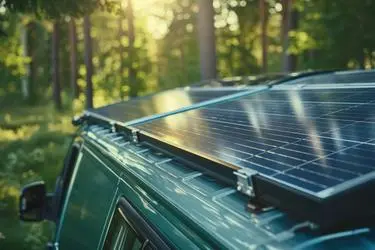
Solar panels convert sunlight into 12V electricity. Most van builds use 100-400 watts of panels, depending on power needs and roof space.
2. Power Storage (Batteries)
Batteries store power for nighttime and cloudy days. Modern lithium batteries offer the best performance but cost more than traditional lead-acid options.
3. Power Management (Charge Controllers and Monitors)
Charge controllers regulate power from solar panels to batteries, preventing overcharging. Battery monitors track usage and remaining capacity.
4. Power Conversion (Inverters)
Inverters convert 12V battery power to 120V AC power for laptops, kitchen appliances, and other standard household devices.
Typical Mid-Range Electrical System Breakdown
Solar Panels: 300 watts (two 150W panels) – $400
Battery: 200Ah lithium battery – $800
Charge Controller: 30A MPPT controller – $150
Inverter: 1000W pure sine wave – $200
Wiring and Components: Fuses, wire, outlets – $250
Installation Labor: DIY with professional consultation – $100
Total System Cost: $1,900
This system provides 3-4 days of power without solar input and easily handles typical daily needs with normal sun exposure.
Safety First: Essential Electrical Rules
Never Skip These Safety Steps:
- Fuses/Circuit Breakers: Protect every circuit from overcurrent
- Proper Wire Sizing: Undersized wire creates fire hazards
- Good Connections: Loose connections cause voltage drop and heat
- Battery Ventilation: All batteries need proper airflow
- Disconnect Switches: Emergency power shutoffs save lives
When to Call Professionals
While 12V systems are generally safe for DIY installation, these tasks require professional expertise:
- 120V Shore Power Connections: Safety regulations and code compliance
- Complex Inverter/Charger Systems: Proper grounding and safety features
- Propane Detection Systems: Integration with electrical shutoffs
- Any Modification to Vehicle Charging System: Alternator and starter circuits
Many Adventure Van Expo attendees start with basic 12V systems and upgrade over time. A common approach is adding solar panels first, then upgrading to lithium batteries six months later when budget allows.
Chapter 6: Plumbing Without the Panic
Van plumbing systems cost $400-$1,500 and include fresh water storage, delivery, and greywater disposal. Van plumbing seems complex, but it’s actually simpler than residential systems. You’re dealing with lower pressures, shorter runs, and basic gravity-fed or pump-driven systems.
The Three Essential Systems
1. Fresh Water Storage and Delivery
Clean water storage with a pump to deliver pressurized water to sinks and showers.
2. Greywater Collection and Disposal
Safely collecting and disposing of wastewater from sinks and showers.
3. Black Water Management (Optional)
Human waste disposal, either through traditional RV toilets or composting systems.
Simple but Effective System Example
This straightforward approach handles 90% of typical water needs:
Fresh Water:
- 20-gallon freshwater tank under dinette seating
- 12V demand pump (turns on when faucet opens)
- Single cold-water faucet in galley kitchen
- Gravity-fed foot pump for outdoor shower
Greywater:
- 15-gallon greywater tank with drain valve
- Simple p-trap under sink to prevent odors
- Manual monitoring and dumping at appropriate facilities
Toilet Solution:
- Nature’s Head composting toilet
- No plumbing required, easy maintenance
- Separate urine and solid waste for odor control
Total Plumbing Cost: $850 including all tanks, pumps, and fixtures
Hot Water Options
Tankless Propane Water Heaters ($200-$400)
Heat water on demand, no storage tank required. Popular with full-time van lifers but requires propane system.
12V Electric Tankless ($150-$250)
Good for mild heating, requires significant electrical capacity.
Solar Shower Bags ($15-$30)
Simple, effective for occasional use and backup systems.
Heated Water Jugs ($50-$100)
12V heated containers for washing dishes and basic hygiene.
Many builders start with solar shower bags and upgrade to propane tankless heaters after gaining experience with their water usage patterns.
Installation Tips from AVE Builders
Plan Your Plumbing Routes Early
Install plumbing before electrical and finish carpentry. Water leaks destroy everything downstream.
Use Quality Fittings
Cheap PEX fittings fail on bumpy roads. Invest in SharkBite or similar push-to-connect fittings.
Insulate Everything
Pipes freeze faster in vans than houses. Insulate all water lines and plan for winter shutoffs.
Plan for Maintenance
Install access panels for pumps, tanks, and connections. Hidden plumbing becomes expensive plumbing when it fails.
Test Everything Twice
Fill and test your system at home before hitting the road. Plumbing failures in remote areas ruin trips.
Chapter 7: Interior Build-Out Phase by Phase
Interior build-out takes 4-8 weeks and costs $2,000-$8,000 depending on materials and complexity. With insulation, electrical, and plumbing roughed in, you’re ready for the fun part: building your interior. This phase transforms your metal box into a comfortable home and requires the most creativity and problem-solving skills.
Phase 1: Flooring (Week 1)
Your floor sets the foundation for everything that follows. Choose materials that handle moisture, temperature changes, and the vibration of van life.
Popular Flooring Options:
Luxury Vinyl Plank (Most Popular Choice)
- Cost: $3-$6 per square foot
- Pros: Waterproof, comfortable underfoot, easy installation
- Cons: Can expand/contract with temperature changes
- Installation: Click-lock systems work over plywood subfloor
Laminate Flooring
- Cost: $2-$4 per square foot
- Pros: Durable, good-looking, budget-friendly
- Cons: Water damage if sealed improperly
- Installation: Requires careful moisture barrier
Rubber Flooring
- Cost: $4-$8 per square foot
- Pros: Completely waterproof, comfortable, quiet
- Cons: Limited style options, can show dirt
- Installation: Usually glue-down over subfloor
Typical flooring process:
- Install 1/2″ plywood subfloor over insulation
- Add moisture barrier around plumbing areas
- Install luxury vinyl plank with 1/4″ expansion gaps
- Add transition strips at doorways
- Total cost: $350-$500 for 60 square feet
Phase 2: Wall and Ceiling Covering (Week 2-3)
Wall covering protects insulation, hides wiring, and creates your van’s aesthetic. The most popular options at Adventure Van Expo events:
Wood Planking (Most Popular)
Lightweight cedar, pine, or specialty van paneling creates a warm, cabin-like feel.
- Cost: $2-$5 per square foot
- Installation: Nail or screw to furring strips
- Finish: Natural oil or polyurethane for protection
Fabric Covering
Lightweight and forgiving for curved van walls.
- Cost: $1-$3 per square foot
- Installation: Staple to furring strips, trim with wood strips
- Benefits: Sound dampening, hides minor imperfections
Painted Plywood
Budget-friendly option that accepts any paint color.
- Cost: $1-$2 per square foot
- Installation: Screw to framing, sand and paint
- Benefits: Smooth surface, unlimited color options
Phase 3: Kitchen Build (Week 4-5)
Your kitchen is the heart of van life. Even simple setups dramatically improve the livability of your space.
Typical Galley Kitchen Build:
Cabinets: Built from 3/4″ plywood with pocket screws
- Lower cabinets with drawers for pots and dishes
- Upper cabinets with magnetic latches for travel
- Cost: $280 in materials
Countertop: Butcher block sealed with marine finish
- 25″ deep x 48″ long workspace
- Integrated cutting board and dish drying area
- Cost: $120
Appliances:
- Dometic 12V refrigerator/freezer: $650
- Two-burner propane cooktop: $150
- Compact microwave (120V): $80
- Total appliance cost: $880
Sink and Faucet:
- Stainless steel single bowl sink: $85
- Single-handle faucet with sprayer: $65
- Plumbing connections: $40
Storage Solutions:
- Pull-out drawers for deep storage access
- Magnetic spice containers on cabinet doors
- Over-sink cutting board for extra workspace
- Collapsible dish drying rack
Phase 4: Sleeping Area (Week 6)
Whether you choose a fixed bed, convertible dinette, or Murphy bed system, comfort is crucial for good sleep on the road.
Popular Convertible Dinette Bed Design:
- Dinette seating for four during the day
- Converts to full-size bed (54″ x 74″) in under two minutes
- Storage underneath for clothes and gear
- Construction cost: $320 in materials
Mattress Options:
- Memory Foam: Comfortable but retains heat ($200-$400)
- Latex: Cooler sleeping, more expensive ($400-$800)
- Custom RV Mattress: Built for odd sizes ($300-$600)
- Modular Foam: Separate pieces for convertible beds ($150-$300)
Phase 5: Storage Solutions (Week 7-8)
Effective storage separates livable vans from cluttered disasters. Every Adventure Van Expo winner maximizes storage through clever design.
Overhead Storage:
- Cabinets above bed and seating areas
- Cargo nets for lightweight items
- Magnetic strips for knives and tools
Under-Bed Storage:
- Large drawers on heavy-duty slides
- Compartments for specific gear (climbing, fishing, etc.)
- Access from interior and exterior
Hidden Storage:
- False floor compartments
- Stairway storage in high-roof vans
- Door panel storage pockets
Gear-Specific Storage:
- Bike racks (interior or exterior mounts)
- Ski/snowboard storage along ceiling
- Climbing gear organization systems
- Photography equipment protection
Chapter 8: Real Van Conversion Cost Breakdown
A typical mid-range van conversion costs $25,000-$40,000 total and takes 6-10 months to complete. Here’s what most Adventure Van Expo attendees spend on their DIY conversions:
Vehicle Purchase and Prep
- Mid-range van (2010-2018, 100k-150k miles): $18,000-$28,000
- Immediate mechanical needs: $2,000-$4,000
- New tires and basic maintenance: $800-$1,500
- Total Vehicle Investment: $20,800-$33,500
Build Materials and Components
- Insulation and vapor barrier: $600-$1,200
- Electrical system (solar, battery, wiring): $1,500-$3,000
- Plumbing system (tanks, pumps, fixtures): $700-$1,200
- Flooring and subfloor: $350-$600
- Wall and ceiling covering: $500-$900
- Kitchen build (cabinets, countertop): $300-$600
- Kitchen appliances: $700-$1,200
- Sleeping area construction: $250-$500
- Storage solutions: $400-$800
- Lighting (LED fixtures and switches): $200-$400
- Ventilation (fans and vents): $500-$800
- Miscellaneous hardware and supplies: $300-$600
- Total Build Materials: $6,300-$11,800
Professional Services
- Propane system installation: $350-$500
- 120V shore power connection: $250-$400
- Total Professional Services: $600-$900
Tools and Equipment (if purchased new)
- Basic power tools and hand tools: $400-$800
- Safety equipment: $100-$200
- Total Tools: $500-$1,000
Total Range: $28,200-$47,200
Cost per square foot: $375-$630 per square foot (75 sq ft interior)
Timeline: 6-10 months from purchase to first camping trip
Time invested: 200-350 hours of work
[Image placeholder: Infographic showing van build cost breakdown with pie chart displaying major expense categories and timeline milestones. Alt text: “Van conversion cost breakdown infographic showing total costs split between vehicle purchase, materials, and professional services”]
How to Save Money
- DIY labor: Save approximately $8,000-$15,000 in professional build costs
- Used tools: Borrow and buy used tools when possible
- Simple systems: Choose proven, basic systems over complex innovations
- Incremental upgrades: Start with basics, add features over time
Where to Invest Extra Money
- Lithium batteries: Worth the extra cost for weight savings and performance
- Quality plumbing fittings: Cheap fittings fail on rough roads
- Proper insulation: Good insulation pays for itself in comfort and energy costs
Chapter 9: Common Mistakes and How to Avoid Them
After eight years of Adventure Van Expo events and hundreds of van tours, we’ve seen the same mistakes repeated by well-meaning builders. Learn from others’ experiences and save yourself time, money, and frustration.
Planning and Design Mistakes
Mistake #1: Skipping the Mock-Up Phase
Many builders skip cardboard mock-ups and build directly from drawings. Result: Furniture that blocks doors, storage you can’t reach, and cramped living spaces.
Solution: Spend $20 on cardboard and a weekend building a full-scale mock-up. Sleep in it, cook in it, and live in it for a day before cutting any wood.
Mistake #2: Prioritizing Looks Over Livability
Instagram-worthy builds often fail real-world tests. Beautiful open shelving becomes flying projectiles on rough roads.
Solution: Visit Adventure Van Expo events and tour vans that have been on the road for months or years. Ask owners what they’d change about their builds.
Mistake #3: Underestimating Storage Needs
First-time builders consistently underestimate how much stuff they need for extended travel.
Solution: Pack everything you think you’ll need for a week-long trip. Measure it. Then plan for twice that much storage space.
Electrical System Mistakes
Mistake #4: Undersized Electrical Systems
Many builders underestimate their power needs and build systems that can’t handle their actual usage.
Solution: Track your current device usage for a week. Use a kill-a-watt meter to measure actual power consumption, not manufacturer specifications.
Mistake #5: Poor Wire Management
Messy wiring creates fire hazards and makes troubleshooting impossible.
Solution: Use proper wire looms, label every circuit, and create a wiring diagram. Future you will thank present you.
Plumbing Mistakes
Mistake #6: No Access Panels
Hidden plumbing looks clean until something leaks or breaks.
Solution: Install removable panels wherever plumbing connections exist. Make maintenance easy, not impossible.
Mistake #7: Inadequate Ventilation
Poor ventilation leads to condensation, mold, and miserable living conditions.
Solution: Install intake and exhaust ventilation. Calculate air exchange rates and don’t skimp on fan capacity.
Build Quality Mistakes
Mistake #8: Weak Mounting Points
Van furniture must handle road forces that would never affect house furniture.
Solution: Secure everything to the van frame or substantial blocking. Use appropriate fasteners for van walls (not drywall screws).
Mistake #9: No Weight Distribution Plan
Many builders exceed gross vehicle weight ratings or create dangerous weight imbalances.
Solution: Track component weights during the build. Get your van weighed before and after conversion. Stay within GVWR limits.
Mistake #10: Perfectionism Paralysis
Some builders spend years planning and never start building, while others spend years rebuilding because they changed their minds.
Solution: Start with good-enough systems that you can upgrade later. A functional van beats a perfect plan that never gets built.
Chapter 10: When to DIY vs When to Hire Professionals
Van building attracts independent, DIY-minded people, but some tasks require professional expertise for safety and legal compliance. Here’s when to tackle projects yourself and when to call experts.
Always DIY (With Proper Research)
- Basic carpentry and cabinetry
- Interior wall covering and finishes
- 12V lighting and basic electrical
- Simple plumbing (freshwater and greywater)
- Insulation installation
- Storage solutions and organization
Consider Professional Help
- Propane system installation and certification
- 120V electrical systems and shore power
- Complex solar installations with grid-tie capability
- Structural modifications (cutting roof holes, major welding)
- Diesel heating system installation
Always Hire Professionals
- Major mechanical work (engine, transmission, brakes)
- Any work that affects vehicle safety systems
- Modifications that require engineering certification
- Work required by local codes or insurance
The recommended approach: DIY everything you can learn safely through research and practice. For specialized work, find professionals who understand van conversions and have good references from the Adventure Van Expo vendor network.
Your Van Build Journey Starts Here
Van conversions succeed through planning, community support, and willingness to learn throughout the process. Success stories from rusty vans to dream homes on wheels happen regularly – that’s exactly what occurs when you combine education, planning, and expert guidance. Many Adventure Van Expo attendees have traveled tens of thousands of miles across North America, from the beaches of Baja California to the mountains of British Columbia.
“The best part isn’t the van itself,” reflects one long-time attendee, “it’s the confidence gained through building and the amazing people met along the way. Every Adventure Van Expo feels like a family reunion.”
Your van build journey doesn’t have to be overwhelming or impossibly expensive. It starts with education, continues with planning, and succeeds through community connection and persistent effort.
Ready to Start Your Build?
Adventure Van Expo events provide hands-on education, vendor connections, and community support essential for successful van conversions. The Adventure Van Expo community is here to support your journey from dreamer to van lifer. Our 2025 event schedule offers seven opportunities to connect with builders, learn from vendors, and tour hundreds of real vans from people who’ve walked this path before you.
2025 Adventure Van Expo Schedule:
- Ventura, CA – May 10–11 (Season opener with 150+ vans)
- Hood River, OR – June 21–22 (Pacific Northwest builders and vendors)
- Evergreen, CO – July 26–27 (Mountain adventure focus)
- Bozeman, MT – August 16–17 (Premium builds and luxury vendors)
- Enumclaw, WA – September 6–7 (Our most established event)
- North Lake Tahoe, CA – September 20–21 (Scenic location, high-end builds)
- San Juan Capistrano, CA – October 4–5 (Southern California van life hub)
Each event features:
- 100+ custom van tours with owners eager to share their experiences
- 30+ specialized vendors offering everything from electrical components to custom cabinetry
- Live workshops on van building techniques and systems
- Expert consultations from builders like those at Owl Van Engineering
- Community connections with fellow builders and van lifers
Whether you’re just starting to dream about van life or you’re ready to buy your first vehicle, attending an Adventure Van Expo event will accelerate your education and connect you with the resources you need to succeed.
Start your van build journey the right way – with education, community, and expert guidance.
Get tickets for your nearest 2026 Adventure Van Expo event and join thousands of builders who’ve transformed their van dreams into rolling reality.
Frequently Asked Questions About Van Building
How long does a van conversion take?
Van conversions take 3-12 months depending on complexity and available time. Simple builds require 3-6 months working weekends, while comprehensive conversions take 6-12 months. Professional builds complete in 6-12 weeks but cost significantly more.
What tools do I need to build a van?
Basic van conversion requires $500-$2,000 in tools including a circular saw, drill, jigsaw, and multimeter. Most first-time builders start with basic tools and add specialized equipment as needed. Many tools can be borrowed or rented for specific projects.
How much does a van conversion cost?
Van conversions cost $18,000-$85,000 total, with most builds falling in the $25,000-$45,000 range. Costs depend on van choice (55-70% of budget), system complexity, materials quality, and whether you DIY or hire professionals.
What’s the hardest part of van conversion?
Electrical systems and plumbing are typically the most challenging aspects for first-time builders. These require understanding safety codes and proper installation techniques. Many builders hire professionals for complex electrical work and propane systems.
Can I build a van with no experience?
Yes, most successful van builders start with little to no experience and learn through online resources and community support. Basic carpentry, 12V electrical, and simple plumbing can be learned through tutorials and practice.
What size van should I choose?
Van choice depends on your height, travel style, and budget. Taller individuals need high-roof models, full-time living requires longer vans (170″), and weekend warriors can succeed with shorter, more affordable vans.
Do I need permits to convert a van?
Van conversions typically don’t require permits, but professional installations (propane, 120V electrical) must meet safety codes. Check local regulations and insurance requirements before starting your build.
How do I stay legal with a converted van?
Most converted vans remain registered as vehicles, not RVs. Ensure modifications don’t affect safety systems, maintain proper insurance coverage, and follow camping regulations in your travel areas.
What’s the best van for beginners?
Ford Transit (2015+) offers the best balance of affordability, reliability, and build-ability for first-time converters. Parts are widely available, service is convenient, and there’s extensive aftermarket support.
Should I buy a converted van or build my own?
Building your own van costs 40-60% less than buying converted but requires significant time investment. DIY builds cost $18,000-$45,000 while quality converted vans sell for $60,000-$150,000+.
Questions about van building? Connect with our community of experienced builders and vendors through the Adventure Van Expo network. Follow us on Instagram@adventurevanxpofor daily build inspiration, tips, and community stories.
About Adventure Van Expo: For eight years, Adventure Van Expo has been the premier educational and networking event series for the van life community. With events across seven Western states and a vendor network of the industry’s most trusted builders and suppliers, AVE connects dreamers with the knowledge and resources they need to build their perfect adventure home.